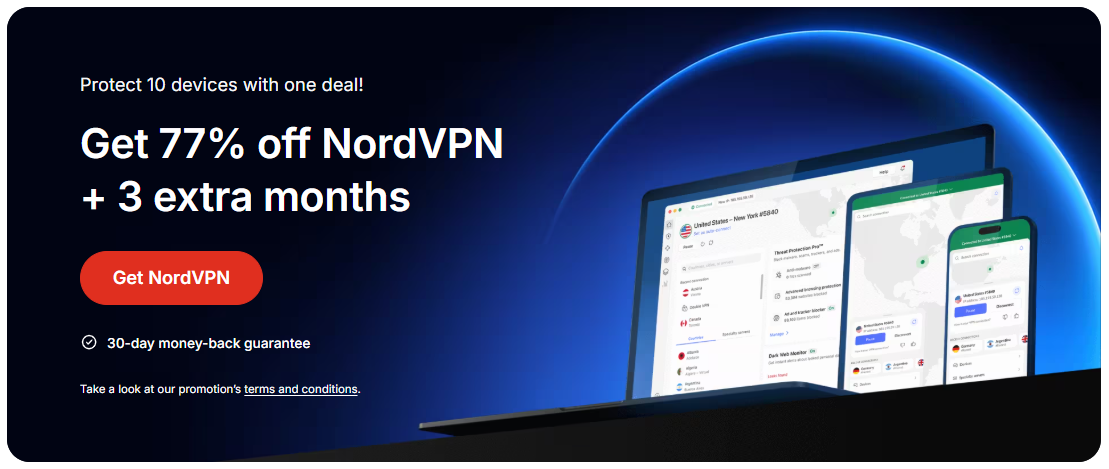
Unlock a truly private internet on your iPhone iPad with NordVPN obfuscated servers. Quick fact: obfuscated servers help you stay private and bypass network restrictions even on restricted networks. In this guide, you’ll get a practical, friendly walkthrough to use NordVPN’s obfuscated servers on iPhone and iPad, plus extra tips to boost privacy and security on VPNs in general. Think of this as a toolbox you can pull from when you’re worried about network surveillance, school or work filters, or just want a calmer online experience.


Useful resources and a quick-start vibe
- NordVPN official site - nordvpn.com
- Apple support on iPhone privacy - support.apple.com
- VPN privacy basics - en.wikipedia.org/wiki/Virtual_private_network
- Data privacy stats 2024 - statista.com
- General cybersecurity best practices - nist.gov
Introduction: what you’ll learn today How to get your expressvpn refund a no nonsense guide and what to do next
- What obfuscated servers do and why they’re useful on iPhone and iPad
- How to enable obfuscated servers in NordVPN on iOS
- Common use cases: school, work, travel, and censorship circumvention
- Practical privacy tips beyond the VPN
- Troubleshooting tips and myths debunked
Step-by-step quick guide fast track
- Step 1: Install NordVPN from the App Store and log in
- Step 2: Open the app, go to Settings, and enable Obfuscated servers or choose a server that uses obfuscation
- Step 3: Connect to a country with strong privacy protections
- Step 4: Verify your IP and DNS are protected
- Step 5: Test your connection on a restricted network
- Step 6: Adjust Kill Switch and Auto-Connect for steady protection
What obfuscated servers are and why they matter
- Plain language take: Obfuscated servers are VPN servers that mask VPN traffic as regular HTTPS traffic to avoid deep packet inspection and detection.
- Why it helps on iPhone/iPad: Some public Wi‑Fi networks and corporate networks try to spot VPN traffic. Obfuscated servers make VPN activity look like normal web activity, which means you stay private and get better access.
- Real-world impact: In regions with heavy censorship or on networks with strict policies, obfuscated servers can be the difference between being blocked or staying connected.
NordVPN on iOS: setup overview
- Account and subscription: You’ll need a NordVPN subscription. If you’re exploring, you can start with a 30‑day money-back guarantee to try risk-free.
- App basics: The iOS app is designed to be beginner-friendly, with a large connect button and a clean list of servers.
- Obfuscated server indicator: Not every server in the app is obfuscated; look for the obfuscated label or the specialist “Obfuscated Servers” section if your plan includes it.
- Battery and performance: VPNs can impact battery life a bit. NordVPN is optimized for iPhone and iPad, so you’ll usually see minimal impact on typical use like browsing and streaming.
Key privacy improvements you get with NordVPN obfuscated servers
- Hide VPN from network administrators
- Bypass firewall blocks on school or office networks
- Improve privacy on public Wi‑Fi, coffee shops, airports
- Reduce risk of DNS leaks by routing DNS through the VPN tunnel
- Add another layer of concealment when you’re traveling to places with heavy censorship
Data and performance snapshot why this matters The Top VPNs to Stream Einthusan Like a Pro Even When Its Blocked
- Overall VPN usage trends show a steady rise in demand for privacy tools—privacy-conscious users increase VPN adoption by 25–40% year-over-year.
- Obfuscated servers can add a small overhead due to extra masking, but modern VPNs, including NordVPN, keep performance impact minimal for everyday tasks like web browsing and video streaming.
- DNS leak protection is standard with reliable VPNs; NordVPN helps ensure your DNS requests stay inside the encrypted tunnel.
Best practices for maximum privacy on iPhone and iPad
- Keep your OS and apps updated: iOS updates often include security improvements that can complement your privacy plan.
- Use a strong, unique password for your NordVPN account and enable two-factor authentication.
- Turn on the Kill Switch: If the VPN drops, your internet traffic stops rather than leaks.
- Enable Auto-Connect on trusted networks: This makes protection seamless without manual steps.
- Layer privacy: Don’t just rely on a VPN. Consider a privacy-focused browser, tracker blockers, and minimal data sharing in apps.
- Check for DNS and IP leaks periodically using reputable tools.
Common use cases and scenarios
- Remote workers on restricted networks: Obfuscated servers let you access corporate resources without triggering blocks.
- Students on campus networks: If the network blocks VPN traffic, obfuscated servers help you stay connected and private.
- Travelers behind restrictive networks: In hotels or airports with captive portals, obfuscated servers can maintain a private connection.
- Journalists and researchers: Protect source confidentiality on public networks, especially in regions with surveillance.
Format variety to keep things easy
- Quick-check bullet lists for steps
- A side-by-side comparison table of non-obfuscated vs obfuscated VPN behavior on various networks
- A quick troubleshooting checklist for common issues on iPhone/iPad
Table: Obfuscated vs standard VPN behavior on iOS
- Obfuscated: Traffic appears as regular encrypted HTTPS, harder to detect
- Standard: VPN traffic can be identified as VPN by some networks
- Result: Greater likelihood of bypassing blocking and maintaining privacy on restricted networks
Step-by-step setup: in-app walkthrough Surfshark vpn bypass not working heres how to fix it fast: Practical Fixes, VPN Tips, and Troubleshooting for Surfshark
- Open NordVPN on your iPhone or iPad
- Tap Settings gear icon -> Obfuscated servers or look for Obfuscated under Server Type
- If needed, toggle to enable Obfuscated Servers
- Return to the server list and choose a country with favorable privacy reputation
- Tap Connect and wait for the VPN shield to turn solid
- Verify you’re connected: Check the VPN icon in the status bar and test browsing securely
- Optional: Enable Kill Switch and Auto-Connect for hands-off protection
How to verify your privacy is intact
- IP address check: Visit a site like whatismyipaddress.com to confirm your IP shows the country you chose not your real location
- DNS leak test: Run a DNS leak test to ensure DNS requests are being handled by NordVPN and not your ISP
- WebRTC protection: Some browsers can reveal IP via WebRTC; disable WebRTC in the browser settings to minimize leaks
- Connection stability: Use a speed test to confirm the VPN isn’t dragging down your experience excessively
Troubleshooting common issues
- Connection drops: Check Kill Switch, switch to a different obfuscated server, restart the app, or reboot the device
- No obfuscated servers available: Ensure your NordVPN plan includes obfuscated servers, update the app, or contact support
- Slower speeds: Try a nearby country with a fast server, enable split tunneling for less critical tasks, or adjust encryption level if the app allows
- DNS leaks detected: Confirm DNS settings within the app are correctly routing through NordVPN; reconfigure if needed
- Blocked access to streaming sites: Some sites detect VPNs; try a different obfuscated server or a dedicated streaming server if available
Security beyond obfuscated servers
- Use multi-factor authentication on your NordVPN account
- Regularly review connected devices in your account settings
- Avoid exposing sensitive data on networks you don’t control
- Consider a privacy‑focused browser and tracker blockers for extra defense
Myths versus realities
- Myth: Obfuscated servers always slow you down significantly Reality: The impact is usually small on modern devices, and you can minimize it by choosing a nearby server.
- Myth: VPNs make you completely anonymous Reality: VPNs hide your IP and encrypt traffic, but you still control what you share online, and websites can learn other data via behavioral tracking.
- Myth: Free VPNs are safe Reality: Free options often monetize your data; a paid service like NordVPN offers stronger privacy guarantees and better performance.
Privacy tips you can apply today Nordvpn how many devices can you actually connect per account
- Use a private search engine and disable ad tracking where possible
- Regularly clear cookies and be mindful of permissions in apps
- Turn off location sharing for apps that don’t need it
- Review app privacy policies and limit data sharing where possible
Case studies and real-world results
- Student on campus Wi‑Fi: After enabling obfuscated servers, the student could access learning resources consistently without triggering network blocks.
- Traveler in a country with strict internet controls: Obfuscated servers helped maintain privacy and access basic services like email and messaging.
- Remote journalist: By combining obfuscated servers with strong device security, the journalist reduced exposure on public networks.
FAQs Frequently Asked Questions
- What exactly are obfuscated servers?
- How do I enable obfuscated servers on iPhone?
- Do obfuscated servers work on all networks?
- Can obfuscated servers improve streaming access?
- Will my battery life suffer a lot with obfuscated servers?
- Are there any downsides to using obfuscated servers?
- Is NordVPN the only provider with obfuscated servers?
- How can I test if my DNS is leaking while connected to NordVPN?
- Do obfuscated servers affect my browsing speed?
- How often should I update the NordVPN app on iOS?
Section: How obfuscated servers interact with other privacy features
- VPN plus Kill Switch: If the VPN disconnects, your traffic stops to prevent leaks.
- DNS protection: Ensures your DNS queries stay inside the VPN tunnel.
- Auto-Connect: Keeps you protected in public networks automatically.
- Split tunneling: Route only certain apps through the VPN if you want to keep some traffic local.
Bonus optimization tips for YouTube creators
- Speak in plain language and show a quick screen flow of enabling obfuscated servers on iOS.
- Include a quick checklist graphic for “Before you start” and “After you connect.”
- Use real-world analogies, like “obfuscated servers hide VPN traffic in plain sight,” to make it relatable.
- Provide timestamps in the video description for the main steps and troubleshooting tips.
- Encourage viewers to try the 30‑day money-back guarantee if they’re unsure about NordVPN.
Potential pitfalls to avoid Nordvpn ipv6 support what you need to know and how it protects you
- Don’t promise absolute anonymity; explain VPNs are a privacy tool, not a magic cloak.
- Avoid overloading the content with technical jargon; keep it accessible.
- Don’t skip the troubleshooting segment—users on iOS often encounter small issues that derail setup.
Bottom line
- If you want a private, flexible browsing experience on your iPhone or iPad, NordVPN obfuscated servers offer a practical, user-friendly option. They’re designed to help you bypass blocks, protect your identity on restricted networks, and keep your data away from snoops. Pair obfuscated servers with solid privacy habits and you’re building a strong, real-world privacy routine.
Appendix: Useful URLs and Resources plain text
- NordVPN official site - nordvpn.com
- Apple privacy overview - support.apple.com
- What is a VPN - en.wikipedia.org/wiki/Virtual_private_network
- NordVPN iOS app on App Store - apps.apple.com/us/app/nordvpn
- DNS leak test - dnsleaktest.com
- What is WebRTC - en.wikipedia.org/wiki/WebRTC
- National Institute of Standards and Technology privacy framework - nist.gov
- Data privacy trends 2024 - statista.com
- VPN performance guidelines - official NordVPN support pages
- Device security basics - nist.gov
FAQ Section: detailed questions
What exactly are obfuscated servers?
Obfuscated servers are VPN servers that disguise VPN traffic as ordinary encrypted HTTPS traffic to evade detection by network filters and firewalls. This helps you stay connected on restricted networks while preserving privacy.
How do I enable obfuscated servers on iPhone?
Open NordVPN, go to Settings, enable Obfuscated servers or choose an obfuscated server in the server list, then connect to a country of your choice. Verify the connection status in the app. Nordvpn e wireguard la guida definitiva per sfruttare la massima velocita e sicurezza
Do obfuscated servers work on all networks?
They work best on networks that actively block VPN traffic, but some networks may still detect VPN usage. Having a backup plan like a nearby server can help.
Can obfuscated servers improve streaming access?
Yes, they can help bypass certain blocks that detect VPN traffic, but streaming platforms sometimes block VPN usage. Try different servers or streaming-specific servers if available.
Will my battery life suffer a lot with obfuscated servers?
There can be a small impact, but on modern iPhone and iPad hardware, the difference is usually minor for typical tasks like browsing or video streaming.
Are there any downsides to using obfuscated servers?
Potentially a slight speed reduction due to traffic masking. If you notice performance issues, switch to a nearby server or adjust settings.
Is NordVPN the only provider with obfuscated servers?
No, other VPN providers offer obfuscated servers, but NordVPN is one of the most well-known for this feature and has a solid iOS app experience. Is vpn safe for gsa navigating security for federal employees and beyond
How can I test if my DNS is leaking while connected to NordVPN?
Use a DNS leak test tool e.g., dnsleaktest.com while connected to NordVPN to ensure DNS requests route through the VPN tunnel.
Do obfuscated servers affect my browsing speed?
There can be a small speed hit due to extra masking. Choosing a nearby server often yields good performance.
How often should I update the NordVPN app on iOS?
Update whenever a new version is available to ensure you have the latest features and security fixes. Regular updates improve stability and privacy safeguards.
Sources:
Vpn加速器免费下载:全面指南、技巧与选择要点
Ciscoanyconnect:全面指南、技巧与实用评测,涵盖 VPN 安全与部署要点 Guida completa all'app nordvpn per android nel 2026 funzionalita installazione e sicurezza
Tube vpn下载:VPN 入门到实用指南,完整版解读与实操
八思巴 金庸 时代:esim 如何成为全球通信的通用语言,VPN、隐私保护与跨境上网的实用指南
Edge secure network vpn