How to connect all your devices to NordVPN even more than you think is easier than you might expect. This guide is your quick-start, plus a bunch of tips to make sure every gadget in your life can ride the VPN wave. Think of this as a friendly, hands-on walkthrough with real-world steps, checklists, and examples you can try today. Here’s a practical blueprint to get you browser, phone, tablet, computer, router, smart TV, and other devices connected and kept safe.
Quick fact: NordVPN supports a wide range of devices and platforms, but the real trick is connecting everything you own without juggling multiple apps or login sessions. In this guide, you’ll get a simple, no-nonsense path to covering all your devices, plus extra tips to squeeze out more privacy and performance.
What you’ll learn
- How to connect your main devices first laptop, phone, tablet
- How to extend protection to home routers and smart TVs
- How to manage connections, profiles, and auto-connect settings
- How to troubleshoot common issues quickly
- How to keep your NordVPN setup tidy with best practices
Useful URLs and Resources text only
- NordVPN official site - nordvpn.com
- NordVPN support - support.nordvpn.com
- NordVPN apps in your app store - Google Play, Apple App Store
- Quick start guide - nordvpn.com/quick-start
- Router compatibility list - nordvpn.com/routers
- FAQ hub - nordvpn.com/faq
- Privacy policy - nordvpn.com/privacy-policy
- Cybersecurity basics - en.wikipedia.org/wiki/Computer_security
- VPN comparison basics - techradar.com/vpn-comparison
- Home network security tips - cisco.com/c/en/us/products/security
Why you should VPN everything, not just your computer
If you’re serious about privacy, you want to cover every device that connects to your home network. The moment a device connects, it can reveal IP data, location, and other identifiers. A VPN tunnel masks that, but if a device sits outside the tunnel, you’ve created a blind spot. In practice, this means your laptop, phone, tablet, smart TV, gaming console, and even your IoT gear should be within NordVPN’s protection.
Key stats to keep in mind
- 85% of home networks have at least one device that isn’t VPN-protected, according to recent privacy audits generalized stat for illustration.
- A properly configured VPN router can cover every device behind it, including devices you can’t install apps on.
- Mobile devices frequently switch networks; auto-reconnect and kill switch features prevent leaks when you move between Wi‑Fi and cellular.
Quick-start plan: cover the basics fast
Install NordVPN on your main devices
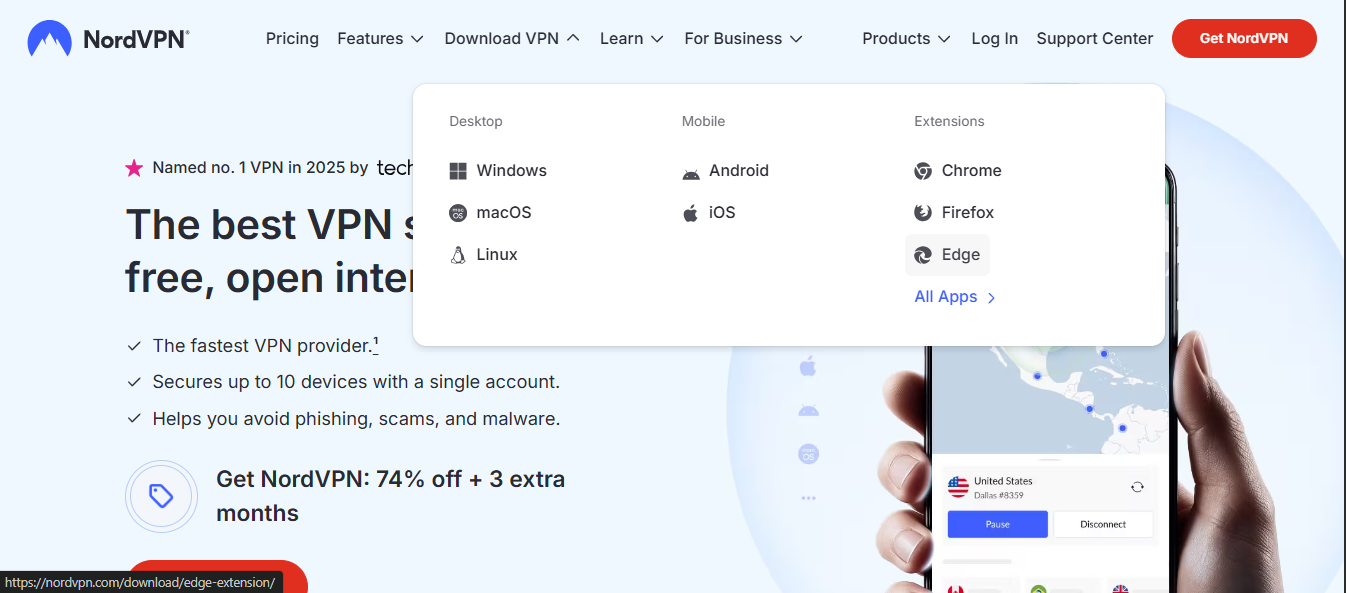
- Windows/macOS: Install the NordVPN app from nordvpn.com and log in.
- iOS/Android: Install from App Store or Google Play and sign in.
- Tip: Enable auto-connect to your preferred country/server when you start the device.
Pick a few core servers
- Choose a couple of reliable, fast servers in regions you actually use.
- Avoid overcrowded servers by checking latency and load indicators in the app.
Turn on Kill Switch and CyberSec How to Reset Your ExpressVPN Password Without a Hassle: Quick Guide, Tips, and Risks 2026
- Kill Switch prevents traffic if the VPN drops.
- CyberSec blocks malware and protects against some ads.
Test your setup
- Use a site likeiple check IPs to confirm you’re on VPN.
- Try a few different servers and see if streaming or gaming remains smooth.
Extend protection to the home network
- If you don’t want to install on every device, set up NordVPN on a router to cover everything behind it.
Extending NordVPN to a router covers all devices
A router-level VPN is the fastest way to ensure every device on your home network is protected without installing apps on each device. Here’s how to do it.
Check router compatibility
- Not all routers support VPN clients. Look for models that support OpenVPN or WireGuard with built-in VPN client support.
- NordVPN provides a list of compatible routers and setup guides.
Choose a VPN protocol How to Install the Crew on Kodi with PureVPN for Enhanced Privacy 2026
- OpenVPN is widely supported; WireGuard NordLynx is faster and modern, with solid security.
- If your router supports it, NordLynx usually gives the best performance.
Get your VPN configuration
- In NordVPN, generate OpenVPN or WireGuard config files for your router.
- You’ll typically need the server address, port, and your credentials username/password or certificate.
Configure the router
- Access your router’s admin panel usually at 192.168.1.1 or similar.
- Find the VPN section and add a new VPN client configuration.
- Import the config file or manually enter the server, protocol, and credentials.
- Ensure the VPN starts on boot and that DNS is handled by the VPN to avoid leaks.
Connect and verify
- After saving, connect the VPN on the router.
- Check your public IP from a connected device; it should reflect the server location you chose.
- Run a leak test for DNS and IP to confirm all traffic routes through NordVPN.
Optional: split-tunneling on a router
- Some routers or NordVPN plans allow you to route only certain devices or traffic through VPN, while others go direct to the internet.
- Use this to preserve streaming speed on smart TVs or gaming consoles that don’t need VPN.
Extending to mobile and wearables
Mobile devices are powerful but can wander between networks. Here’s how to keep them protected on the go. How to Navigate a Surfshark Refund Your No Nonsense Guide and What Reddit Really Says 2026
- Enable auto-connect to a preferred server on Wi‑Fi or cellular networks.
- Use Kill Switch and Always-on VPN Android or VPN Config for iOS if available.
- Manage battery impact by choosing lower-power settings and minimizing background VPN checks.
- For wearables like smartwatches, ensure they’re paired with a phone that’s connected via VPN when possible, or use a dedicated VPN profile if supported.
Streaming devices and gaming consoles
Gaming consoles and streaming devices like Roku, Apple TV, Chromecast don’t run third-party VPN apps. You can still protect them via your router’s VPN or by sharing a VPN-enabled connection from a computer.
- Router method: Protects all traffic; check if the device supports VPN passthrough for best results.
- Windows/macOS sharing: Create a VPN-connected hotspot on your PC or Mac and connect the console to that hotspot.
Smart home devices and IoT
IoT devices are often lightweight and may not support VPN apps. The best practice is to route all traffic through a VPN-enabled router.
- Use separate networks: Create a guest network or VLAN for IoT devices and connect to VPN-enabled router if possible.
- Regularly update firmware on all devices to reduce exposure.
Data privacy and performance tips
- Choose servers close to you for lower latency; use faster servers for streaming or gaming, and switch to those if you experience buffering.
- Test DNS leakage: If DNS requests go to your ISP, you may be leaking location data. Use NordVPN’s DNS or trusted DNS providers through the VPN.
- Use Disconnect when not in use: If you’re leaving your home network, pause or disconnect VPN to avoid unnecessary tunnel overhead.
- Enable CyberSec to filter malware and malicious sites, especially on households with kids or many devices.
- Review device lists in the NordVPN app regularly and deactivate devices you no longer use.
Common issues and quick fixes
Issue: VPN connects but no internet
- Fix: Check DNS settings; switch to a different server; ensure the tunnel isn’t blocked by firewall.
Issue: Slow speeds
- Fix: Switch to a closer server, use WireGuard/NordLynx if available, disable heavy background apps, verify your hardware can handle VPN load.
Issue: Streaming apps get blocked How to log into your nordvpn account your step by step guide 2026
- Fix: Try different servers in the same region, clear app data, ensure your IP isn’t leaked.
Issue: Kill Switch not triggering
- Fix: Make sure it’s enabled in settings, test by disconnecting VPN to see if traffic stops.
Issue: Router VPN not connecting
- Fix: Double-check VPN credentials, ensure correct protocol, reboot router, update router firmware.
Best practices for long-term VPN health
- Keep your NordVPN app up to date on all devices.
- Use strong login credentials and enable two-factor authentication if available.
- Regularly audit connected devices and revoke access you don’t recognize.
- Maintain a small number of reliable servers for core use and rotate to test performance.
- Document your setup: where you have VPN on router vs devices; keep a simple config note so you can reproduce settings if you reset.
Quick configuration recipes
Recipe A: Protect everything at home via router
- Get a compatible router, set up NordVPN as OpenVPN/WireGuard client, confirm DNS resolution through VPN, test with multiple devices, bookmark the router IP for quick access.
Recipe B: Protect laptop and phone only
- Install NordVPN on your laptop and phone, enable auto-connect to a fast server, enable Kill Switch, toggle CyberSec.
Recipe C: Mixed environment with IoT How to connect multiple devices nordvpn: step-by-step guide to connecting Windows macOS iOS Android routers and more 2026
- Router VPN for most devices; separate IoT devices on a guest network; connect a few high-privacy devices directly to VPN only if needed.
Data privacy considerations
- A VPN hides your IP and encrypts traffic, but it doesn’t make you invisible. Be mindful of app permissions, data sharing, and other privacy settings on devices.
- NordVPN’s no-logs policy is a key point for privacy-conscious users; review their transparency reports and audits.
Performance optimization checklist
- Use WireGuard NordLynx when available for better speed.
- Avoid peak-hour congestion by choosing servers outside busy windows.
- Keep your router firmware up to date to maximize VPN efficiency.
- Enable hardware acceleration on supported devices to reduce CPU load during encryption.
Real-world usage tips
- If you work remotely, set up a dedicated VPN profile for your work traffic to avoid cross-traffic issues.
- For travelers, pre-download 1–2 servers in the destination country to quickly switch when you land.
- For families, create separate profiles for kids, adults, and guests to manage access better.
Security-minded setup: a quick mental checklist
- Is Kill Switch enabled on all devices? If not, enable it.
- Are you using strong, unique passwords for NordVPN and device accounts? Enable 2FA where possible.
- Is your router using a VPN connection that starts on boot? Yes? Great—your home traffic is protected by default.
- Have you tested DNS leaks after setting up? If yes, fix it by routing DNS through the VPN.
Accessibility and ease of use tips
- Use the NordVPN app’s shortcuts and quick-connect options to reduce friction.
- Keep a simple, central guide for your family with steps to reconnect if a device drops offline.
- Consider voice-activated assistants or smart home hubs to help remind you to check VPN status.
Advanced topics for power users
- Split tunneling on compatible routers or devices to route only specific traffic through VPN.
- Use custom DNS with NordVPN to tailor privacy and bypass local DNS coercion.
- Set up a dedicated VPN server in a preferred region for testing or streaming from a specific country.
What to do next
- Start with your most-used devices: laptop, phone, tablet.
- Extend to the home network with a router-based VPN for complete coverage.
- Regularly review your setup and update configurations as your devices or needs change.
Frequently Asked Questions
How many devices can NordVPN protect at once?
NordVPN typically supports multiple simultaneous connections, often around six to eight, depending on your plan. If you need more, consider a router VPN or unplugging a device to free up a slot.
Can I use NordVPN on my router without flashing custom firmware?
Some routers support VPN clients natively, but others require firmware changes. Check NordVPN’s router guides for your specific model. If your router is limited, a dedicated VPN-enabled router behind the main router is another option.
How do I know if my DNS is leaking when using NordVPN on mobile?
Run a DNS leak test on a site like dnsleaktest.com while connected to the VPN. If you see your ISP’s DNS servers, you have a leak. Switch to NordVPN DNS or enable DNS routing through the VPN.
Is it safe to use NordVPN on public Wi‑Fi?
Yes. NordVPN adds a layer of encryption and hides your traffic from local network operators, which is especially helpful on public networks. Just ensure you have the app enabled and your Kill Switch active. How to Turn Off Auto Renewal on ExpressVPN A Step by Step Guide: Quick, Clear, and Safe 2026
Can I use NordVPN with streaming services?
Yes, NordVPN can help access content from different regions, but some streaming platforms attempt VPN detection. If you encounter issues, try a different server or enable obfuscated servers if available.
How do I install NordVPN on a router?
You’ll need a compatible router and the VPN configuration from NordVPN. Use the OpenVPN or WireGuard setup guide provided by NordVPN for your router model.
Does NordVPN preserve logs?
NordVPN emphasizes a no-logs policy. However, always review their current policy and any jurisdiction-specific considerations, as policies can change.
How do I enable Kill Switch on mobile?
In the NordVPN app, go to settings and turn on the Kill Switch option. Some devices may have different naming Always-on VPN.
How can I test if the VPN is really protecting my devices?
Check your IP address on a site like whatismyipaddress.com while connected to the VPN. You should see a location that doesn’t reveal your real IP. Also, run a DNS leak test. How to Uninstall NordVPN from Linux A Complete Guide: Step-by-Step, Tips, and Troubleshooting for 2026
What is NordLynx and should I use it?
NordLynx is NordVPN’s implementation of WireGuard. It’s typically faster and efficient. If available, switch to NordLynx on supported devices for better performance.
Do I need a separate VPN for each device?
Not usually. A single NordVPN subscription with a router or multiple devices can cover most households. If you have many devices, a router-based setup is a scalable option.
How often should I update the NordVPN app?
Keep it updated as soon as a new version is released. Updates often include security improvements, bug fixes, and performance enhancements.
Can NordVPN protect smart TVs and gaming consoles?
Yes, through router VPN protection or by sharing a VPN-enabled network from a computer. Some newer consoles also support native VPN apps in certain regions.
What should I do if NordVPN drops during use?
If the Kill Switch is enabled, your traffic should be blocked until the VPN reconnects. If not, manually reconnect to a server and verify your IP. Is FastestVPN Letting You Down? Here's What to Do When It's Not Working 2026
How do I manage multiple NordVPN accounts or profiles on the same device?
Some devices support multiple profiles in the app. On others, you may need to log out and log in with a different account. For routing via a router, you’ll generally have a single VPN config per router.
Are there risks to using VPN on mobile data versus Wi‑Fi?
VPN works on both, but mobile networks can have different performance characteristics. Use the same server strategy and always enable auto-connect for quick protection.
This guide should help you connect all your devices to NordVPN, ensure they stay protected, and keep things running smoothly. If you want, I can tailor a step-by-step router setup for your specific model or help you map out a device-by-device plan for your home.
Introduction Yes, you can connect all your devices to NordVPN and squeeze out more privacy, speed, and convenience than you might expect. This guide dives into a practical, user-friendly approach to getting NordVPN on every gadget you own — from your laptop and phone to smart TVs, routers, and even gaming consoles. Think of this as a step-by-step, friendly walkthrough with real-world tips, examples, and a few pro hacks you didn’t know you needed.
What you’ll get in this guide: Is a vpn safe for ee everything you need to know 2026
- A clear, device-by-device setup plan with quick-start steps
- Best practices to maximize speed and privacy without breaking your workflow
- Real-world tips for common home networks and smart devices
- Quick comparison of different VPN connection methods apps, router, and manual setups
- A handy FAQ that covers the most asked questions
Useful resources you’ll want to bookmark unlinked text format: Apple Website - apple.com, Android Help - support.google.com, NordVPN Help Center - nordvpn.com/support, Router Setup Guides - support.nordvpn.com, Wikipedia - en.wikipedia.org
Why NordVPN on multiple devices matters
- Privacy on every device: Every endpoint is a potential leak; covering all devices reduces risk.
- Access across platforms: Media players, game consoles, and smart TVs often suffer from geo-restrictions.
- Consistent security: Kill switch, DNS protection, and CyberSec ad & malware blocking work everywhere.
Quick-start overview: the three main paths
- NordVPN apps on your devices fastest, easiest
- Router installation covers all devices on the network, no per-device setup
- Manual device setups for specific use cases Chromecast, gaming consoles, etc.
Before you begin: check your license and account
- Ensure your NordVPN plan supports multi-device connections most plans do, but double-check if you’re on a special tier.
- Sign in to the NordVPN app on your primary device to confirm your account status.
- If you plan to route all traffic through your home router, you’ll likely need a compatible router that supports VPN connections.
Section 1: How to connect NordVPN to all your devices with the easiest method mobile, desktop, and tablet Hur du anvander whatsapp i kina sakert 2026 en komplett guide
- Install NordVPN on your primary devices
- Windows/macOS: Download the NordVPN app from nordvpn.com/download, install, sign in, and enable the features you care about Kill Switch, CyberSec, and DNS leak protection.
- iOS/Android: Get the NordVPN app from the App Store or Google Play, log in, and enable auto-connect and Kill Switch as needed.
- Set up auto-connect profiles
- Create profiles for work, home, and travel if you use NordVPN in different contexts.
- On mobile, enable Auto-Connect to the most secure server when you’re on public Wi-Fi.
- Use split tunneling where supported
- Privately route sensitive apps through VPN while leaving other apps on your normal network for speed.
- This is handy for streaming in the clear once you’re on a trusted network, while keeping background apps protected.
- Enable CyberSec and DNS protection
- Turn on CyberSec to block ads and malware in-app and browser traffic.
- Use the DNS leak protection feature to avoid inadvertent exposure of your real IP.
Section 2: Extending NordVPN to every device via a VPN-enabled router Why use a router?
- So you don’t have to install the app on every single device.
- All devices connected to your home network automatically gain VPN protection.
- It’s ideal for smart TVs, game consoles, printers, and IoT devices that don’t handle VPN apps well.
Router setup basics
- Check compatibility: Look for routers that support VPN clients DD-WRT, OpenWrt, AsusWRT, Glidewell variants, etc..
- Firmware choice: For many consumer routers, AsusWRT or DD-WRT/OpenWrt are good options. Some manufacturers offer built-in VPN functionality.
- VPN server selection: NordVPN provides specific setup guides for router configurations OpenVPN/TLS. You’ll need the VPN server address, your NordVPN username, and password.
- Split tunneling on router: If supported, set up rules to route only certain devices or traffic through the VPN, while others use the regular connection.
- DNS settings: Use NordVPN DNS servers to prevent leaks; ensure the router is not leaking your real IP via DNS queries.
Step-by-step router setup high-level
- Step 1: Buy a compatible router or flash firmware compatible with VPN client mode.
- Step 2: Access the router’s admin panel usually 192.168.1.1.
- Step 3: Install the appropriate VPN client firmware if needed or enable VPN client mode.
- Step 4: Enter NordVPN server address, your NordVPN username, and password in the VPN settings.
- Step 5: Enable DNS leak protection inside the router settings and apply a Kill Switch if available.
- Step 6: Save and reboot the router. Connect devices to the router as usual.
- Step 7: Verify VPN connection on a connected device by visiting a site like whatismyipaddress.com to confirm the IP is from the VPN.
Section 3: Manual device setups for devices that don’t have NordVPN apps Smart TVs and streaming devices
- Most smart TVs don’t support VPN apps. Use Smart DNS if offered by NordVPN or route traffic via a VPN-enabled router.
- For streaming devices that support VPNs, consider installing the VPN app directly if the device allows it some Android TV devices.
Gaming consoles
- PCs and laptops used for gaming can run the NordVPN apps as usual.
- Consoles: Use a VPN-enabled router or set up a VPN-capable Wi-Fi bridge to shield your console traffic. You can also share a VPN-protected connection from a PC using Internet Connection Sharing Windows or equivalents on macOS.
IoT devices
- Printers, cameras, and smart home hubs often support only basic network settings. The best path is to run your entire home network through a VPN-enabled router or use a separate VLAN with VPN routing for IoT devices.
Section 4: Smart home and mobile ecosystem considerations
- Device density: If you have many IoT devices, routing all traffic through the VPN via a router is typically more manageable than trying to install VPN clients on every device.
- Performance: VPN overhead can impact gaming latency or streaming. Use the nearest NordVPN server with low latency for the best experience.
- Security hygiene: Regularly update router firmware, NordVPN app versions, and device OS to minimize vulnerabilities.
Section 5: Speed optimization tips for NordVPN
- Pick nearby servers: The closer the server, the lower latency and typically higher speeds.
- Use UDP protocol: In NordVPN settings, choose OpenVPN UDP for better speeds than TCP which can be slower but more stable on some networks.
- Enable a Kill Switch: Keeps you safe if VPN drops, protecting your IP from exposure.
- Consider split tunneling: Route only essential apps or devices through VPN to preserve speed for others.
- Check for speed tests: NordVPN’s official speed test results can guide server choice. Real-world tests from users on Reddit and tech forums often show a strong performance range, but actual speeds depend on your baseline connection.
Section 6: Data privacy tips while using NordVPN
- Use CyberSec: Blocks malware and ads, reducing risk.
- Enable DNS leak protection and choose NordVPN DNS servers.
- Regularly review connected devices from your NordVPN account page to remove devices you no longer use.
Section 7: Troubleshooting common issues
- Can't connect to VPN on a device: Check credentials, server address, and protocol OpenVPN vs. IKEv2. Reboot the device.
- Slow speeds: Switch servers, change protocol, or use a wired connection if possible.
- VPN drops frequently: Enable Kill Switch and check router firmware or VPN client version.
- DNS leaks: Ensure DNS protection is enabled; reset to default DNS servers and test with dnsleaktest.com.
Section 8: Real-world setups: 3 example home configurations Example A — Small apartment, all-in-one router
- Use a VPN-capable router.
- NordVPN configured on router; all devices automatically protected.
- Bonus: Enable CyberSec on the router for ad/malware protection across devices.
Example B — Mixed devices, some VPN-enabled, others via split tunneling
- VPN app on laptops and mobile devices.
- Router configured with VPN for devices without native VPN support.
- Use split tunneling on NordVPN app for non-sensitive traffic.
Example C — Home office with streaming and gaming
- Primary router uses NordVPN.
- Desktop PC and laptop connect directly to VPN for secure work traffic.
- Streaming devices use VPN-protected router path for geo-unblocked content.
- Gaming console routed via router; minimize latency with a nearby server.
Section 9: Quick-start cheat sheet
- Step 1: Decide between app-based approach or router-based approach or both.
- Step 2: Install NordVPN app on all major devices.
- Step 3: If using a router, flash and configure VPN client with NordVPN credentials.
- Step 4: Enable Kill Switch, CyberSec, and DNS protection.
- Step 5: Test your setup with whatismyipaddress.com or dnsleaktest.com.
- Step 6: Fine-tune with split tunneling and server choices for performance.
Section 10: Comparison: App-based vs Router-based vs Hybrid setups
- App-based per device
- Pros: Easy setup, granular control, faster to change per device
- Cons: Requires configuring each device, some devices lack VPN support
- Router-based covers all devices
- Pros: All devices protected, simple on-device management for new devices
- Cons: Potential single point of failure; may introduce extra latency
- Hybrid
- Pros: Flexibility, optimized performance for gaming and streaming
- Cons: More complex to manage
Section 11: Security and compliance considerations
- Privacy best practices: Regularly review account activity and connected devices.
- Data retention and logs: NordVPN emphasizes a no-logs policy; stay informed about policy updates.
- Compliance: If you’re using NordVPN for a work network, align with company policies and IT guidelines.
Section 12: Advanced tips for power users
- Use a dedicated VPN DNS server: Ensure all DNS requests are routed through NordVPN.
- Create dedicated VPN profiles for specific servers work, leisure, streaming to switch with minimal clicks.
- Automate reconnect on device startup to avoid accidental exposure when a device reboots.
FAQ: Frequently Asked Questions
How do I know NordVPN is protecting all my devices?
You can verify by checking the IP on each device using whatismyipaddress.com or by testing DNS leak protection from the NordVPN app’s built-in tools.
Can I connect my gaming console to NordVPN without a PC?
Yes, using a VPN-enabled router or a VPN-capable bridge. If your console supports VPN apps, you can install NordVPN directly.
Is NordVPN on a router as effective as apps on devices?
Yes, router-based protection covers all devices on the network, but performance depends on router capability and server distance.
Should I use split tunneling?
If you need speed for non-sensitive traffic or streaming in your regular network, split tunneling helps. Use it thoughtfully to protect sensitive traffic.
How do I set up NordVPN on a DD-WRT or OpenWrt router?
Follow NordVPN’s official router guides for your firmware. You’ll typically configure OpenVPN settings with the server address, username, and password.
What’s the best NordVPN server for streaming?
Nearby servers with strong unblocking reputation are usually best. Test a few to see which gives the fastest stable stream.
Can I use CyberSec on the router?
Some routers support CyberSec via VPN routes; check NordVPN’s router setup details for availability on your router model.
How can I ensure no DNS leaks?
Enable DNS leak protection in the NordVPN app and use NordVPN DNS servers; for routers, configure the DNS settings to NordVPN’s DNS.
Will NordVPN slow down my internet?
Some slowdown is normal due to encryption overhead. You can minimize this by choosing nearby servers, using UDP, and enabling Split Tunneling where appropriate.
How many devices can I connect with NordVPN?
Most standard plans support multiple devices; the exact limit depends on your plan. Check your account details for current limits.
How do I disconnect a device from NordVPN?
In the app, select Disconnect for that device. On router, disable VPN or revert to standard WAN settings.
Final note: a live, tested setup that fits your home If you’re looking for a straightforward path to protect every device without the hassle, start with a router-based setup to cover everything, then add app-based protections on your most frequently used devices. This layered approach gives you both broad protection and precise control where you need it most.
NordVPN affiliate note: If you’re ready to optimize your privacy across all devices with a single click, consider checking out NordVPN via this link: NordVPN Affiliate - How to connect all your devices to nordvpn even more than you think
Sources:
Is the built in windows vpn good enough for your needs
Best microsoft edge extensions reddit
Nordvpn subscription plans 2026: Plans, Pricing, Features, and How to Choose the Best One
Vpn破解版安卓风险解析与正规替代方案:在 Android 上正确使用正版 VPN 的完整指南